
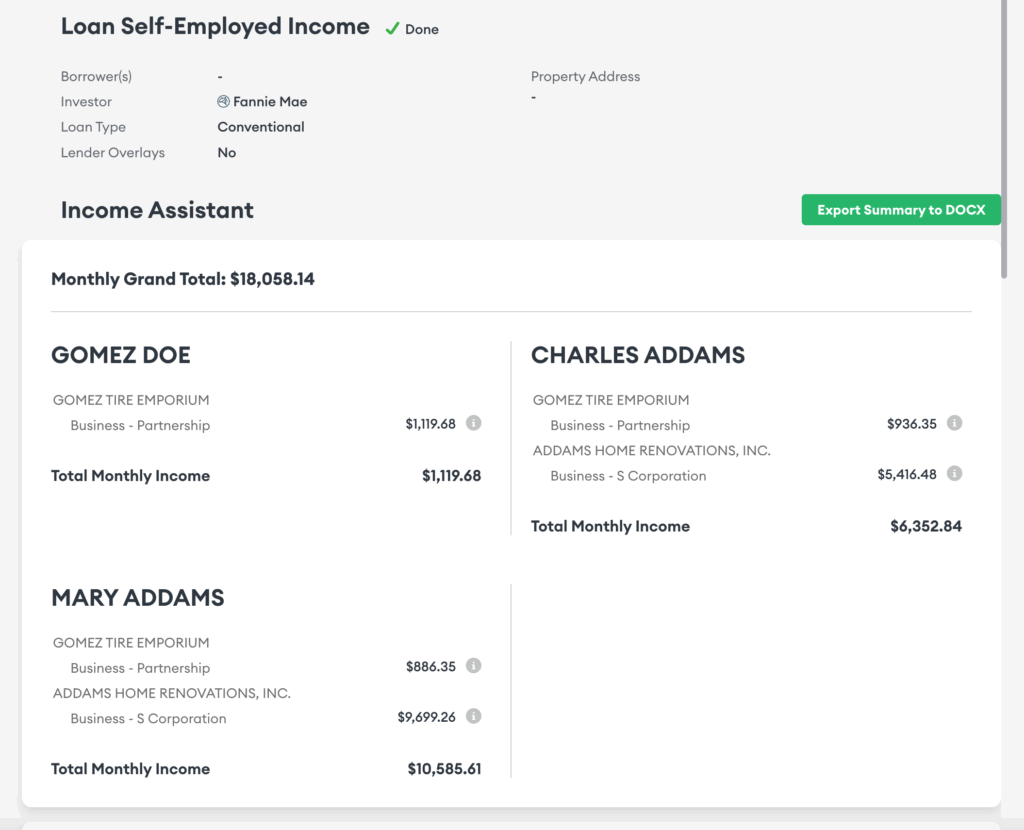
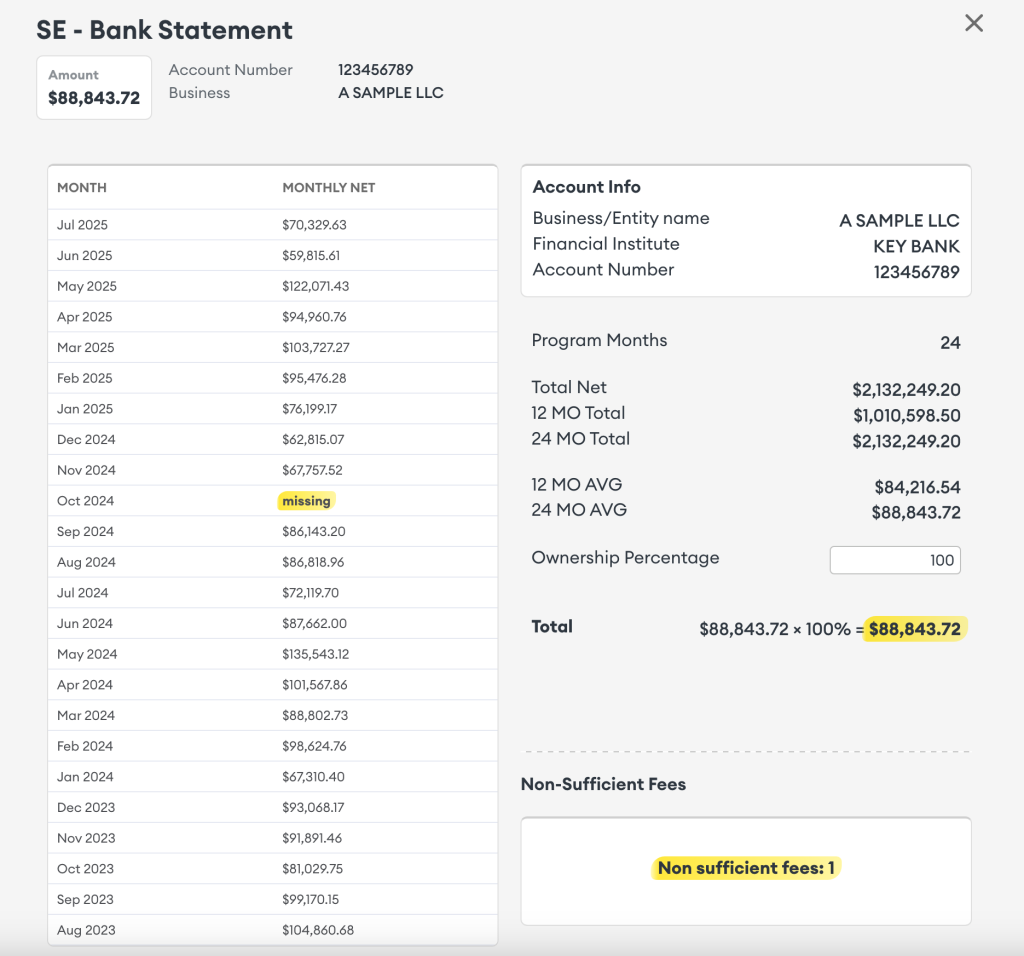
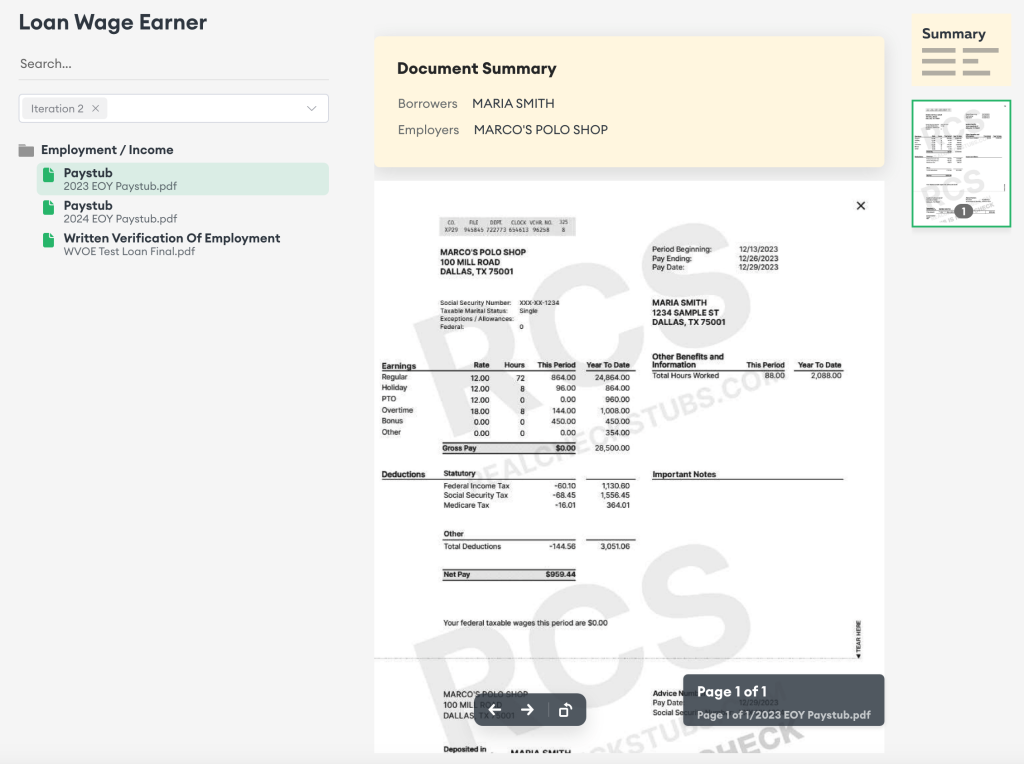



Rapidio helps lenders and operations teams calculate borrower income faster, surface smart conditions earlier, and prepare cleaner files before underwriting becomes the bottleneck.
Built for wage earner, self-employed, and bank statement scenarios.
More volume should not require more chaos.
As file volume grows, manual income review creates bottlenecks, inconsistent follow-ups, and too many touches across the same loan. Rapidio helps operations teams create more structure upstream by making income review faster, next-step requests clearer, and file preparation more consistent before underwriting gets overloaded.
Handle more files with a more structured income workflow.
Catch likely follow-up items earlier instead of rediscovering them later in the process.
Give branches, processors, and ops staff a more repeatable way to prepare files.
Improve file readiness before underwriters spend time cleaning up avoidable gaps.
Create a more repeatable process for wage earner, self-employed, and bank statement files.
Give teams clearer next-step requests before the file slows down later.
Move loans forward in a cleaner, more review-ready state.
Reduce inconsistency across channels, branches, and team members.
Customers reviews
No. Rapidio creates value earlier in the workflow by helping lenders and ops teams prepare cleaner files before underwriting begins.
Yes. One of the key benefits is creating a more consistent process for reviewing income and surfacing next-step requests.
Yes. Rapidio is designed to support standard wage earner files as well as self-employed and bank statement scenarios.
It helps operations teams reduce avoidable rework, improve file quality, and create a more repeatable workflow before files reach underwriting.
Yes. Rapidio helps teams surface likely issues and supporting-document needs earlier so files move forward in a cleaner state.
Because cleaner workflows help lenders improve capacity, consistency, and turn times without relying so heavily on manual review.
See how Rapidio helps lenders and operations teams calculate income faster, surface Smart Conditions earlier, and move cleaner files through the pipeline.
See how it works on a real borrower scenario.